Nearer the surface
Pigment sitting in the upper layers of the skin. Generally the more responsive of the two to resurfacing treatments.

A common condition of hyper-pigmentation of the skin, predominantly occurring in women. These dark spots may sit superficially within the skin, or deep beneath it — and the difference changes how we treat them.
Melasma is a common condition of hyper-pigmentation of the skin, predominantly occurring in women. These dark spots may occur superficially within the skin, or deep beneath the skin.
That depth matters more than anything else on this page. Dermal and epidermal melasma have different types of treatments, so it is important to seek the advice of Crave Med Spa skincare clinicians to determine the best and most safe route of treatment that will produce the best results.
Pigment sitting in the upper layers of the skin. Generally the more responsive of the two to resurfacing treatments.
Pigment held in the deeper layer. It calls for a different approach, and is the reason a surface treatment alone may disappoint.
We recommend a chemical peel or laser treatment to help lighten the dark patches. Schedule a consultation to explore your treatment options.
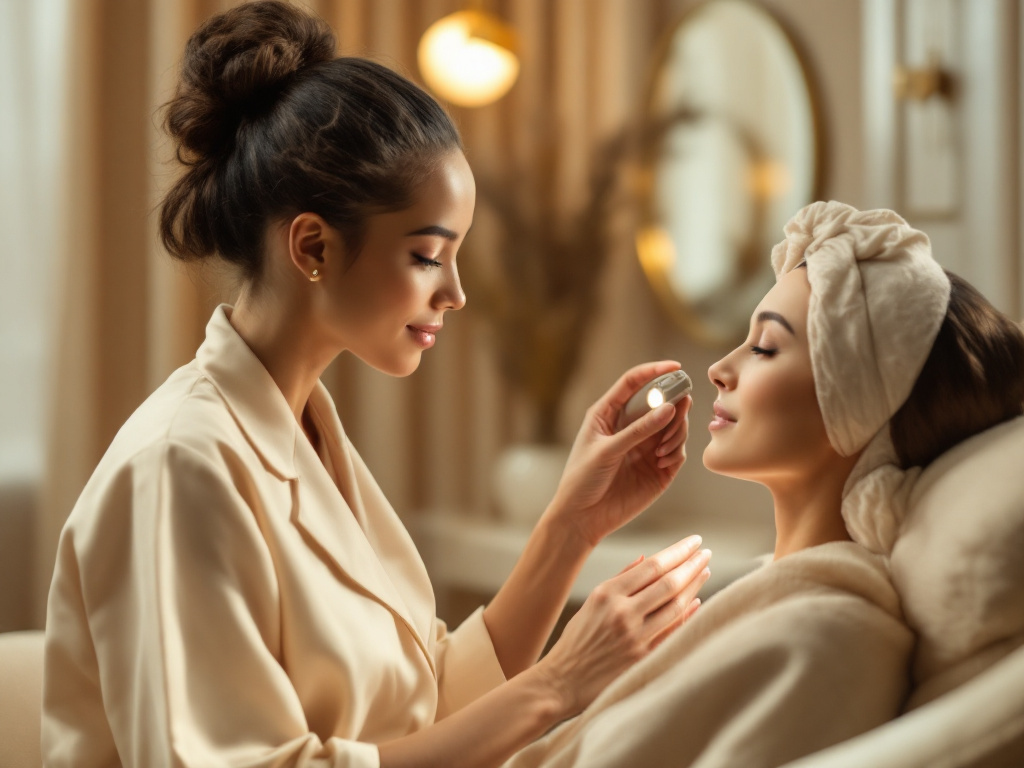
What causes melasma is not completely evident. These are the factors most often connected with it — and the two you can act on are sun and, to a degree, stress.

Pills for birth control, pregnancy, and hormone therapy can all cause melasma. The condition is connected with sensitivity to estrogen and progesterone.

Sun exposure can trigger melasma, because ultraviolet rays affect the melanocytes that control pigment. This is the trigger most within your control.

It is believed that stress-induced overproduction of certain hormones can trigger outbreaks. Thyroid disease is also thought to play a part.

Darker-skinned people are at greater risk than fair-skinned people. It is not something you can change — but it does shape which treatments are safe for you.
We recommend a chemical peel or laser treatment to lighten the dark patches. Which one, and how deep we go, depends on whether your melasma is epidermal or dermal.

A mild exfoliant that improves the tone and texture of your skin by removing the top layers, lifting pigment with them.

A comfortable, non-invasive laser that corrects uneven texture and tone, and leaves skin glowing and refreshed.

Induces your own collagen and works deeper than a surface treatment, reversing years of accumulated sun damage.

Even exfoliation and extraction, then antioxidants, peptides and hyaluronic acid. The gentlest option of the five.
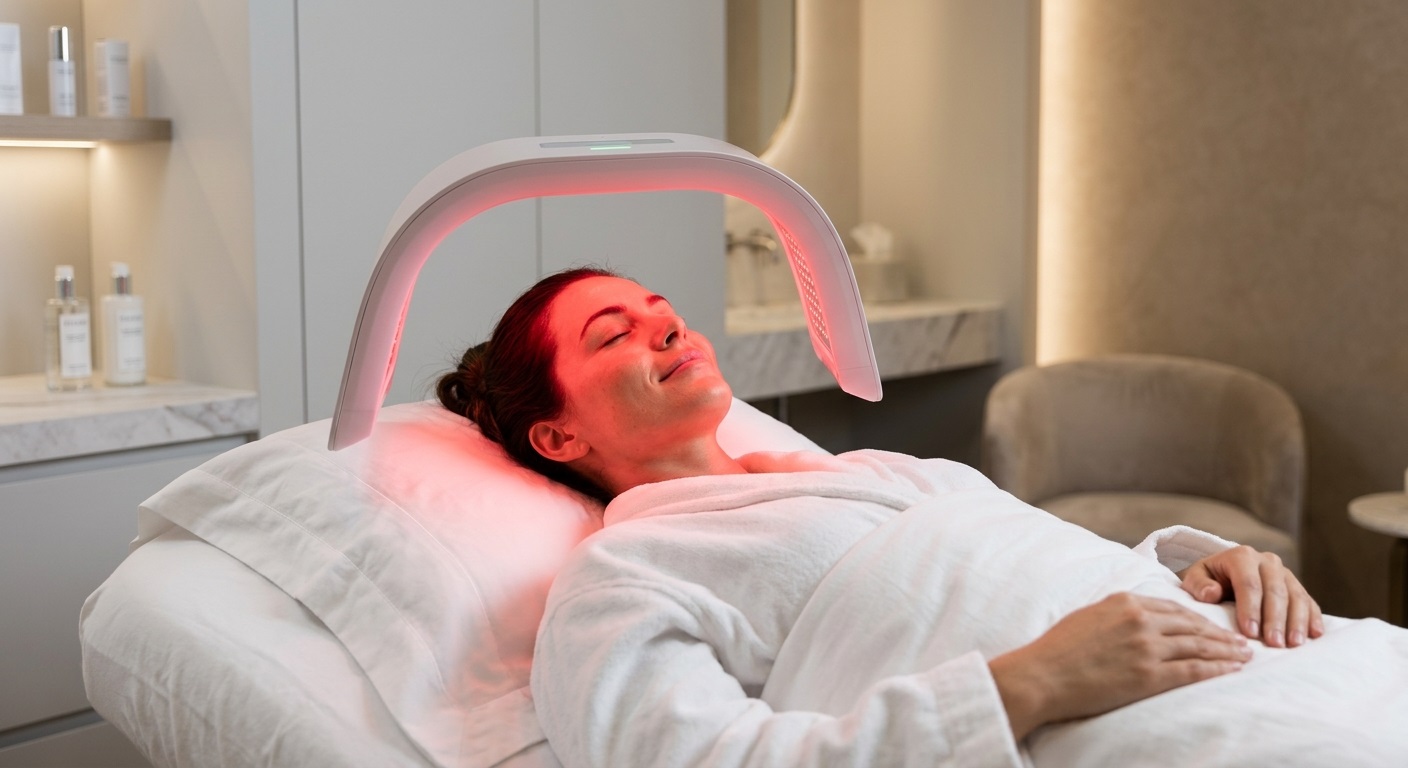
Seven spectrums of light, each doing different work — usually paired with another treatment rather than used alone.
Sooooo pleased with my experience at Crave Aesthetics. My face has never looked better and I have never felt better.
 Kristin Wegmann
Lip filler client
Ready to see your own results?
Book a consultation